Why Anti-fired Materials Matter in LED Bulb?When sourcing LED bulbs, buyers often focus on price, brightness and energy efficiency. However, one critical factor is sometimes overlooked: the quality of the materials used in the bulb housing.
Flame-retardant materials play an important role in product safety, reliability and long-term performance. For distributors, importers and lighting brands, choosing LED bulbs made with quality materials can help reduce warranty claims and protect brand reputation.
What Are Flame-Retardant Materials?
Flame-retardant materials are specially engineered plastics designed to resist ignition and slow the spread of fire. In LED bulb manufacturing, these materials are commonly used for lamp housings and internal structural components.
Compared with standard plastic materials, flame-retardant PC and PBT offer better heat resistance and improved safety performance.
Why Are They Important for LED Bulbs?
LED bulbs generate heat during operation. Although LEDs are more energy-efficient than traditional lamps, heat management remains essential for maintaining performance and lifespan.
Using flame-retardant materials helps:
- Improve product safety
- Increase heat resistance
- Reduce deformation under high temperatures
- Enhance long-term reliability
- Lower after-sales risks
For lighting brands and distributors, these benefits can translate into fewer customer complaints and lower warranty costs.
Material Quality Makes a Difference
Not all LED bulbs are manufactured to the same standards.
Products that use low-grade materials may appear similar externally, but material differences can affect durability, safety and overall product performance.
For long-term projects and brand development, selecting a manufacturer that prioritizes material quality is often more important than choosing the lowest-cost option.
The Value of In-House Manufacturing
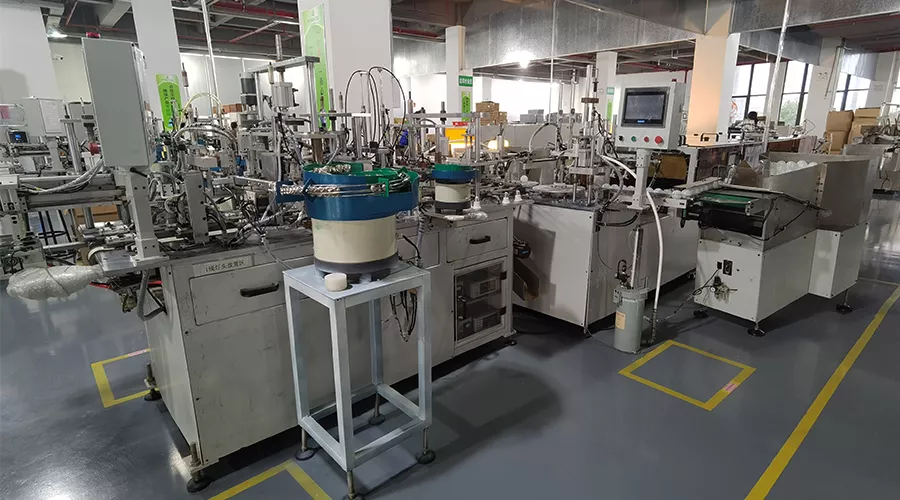
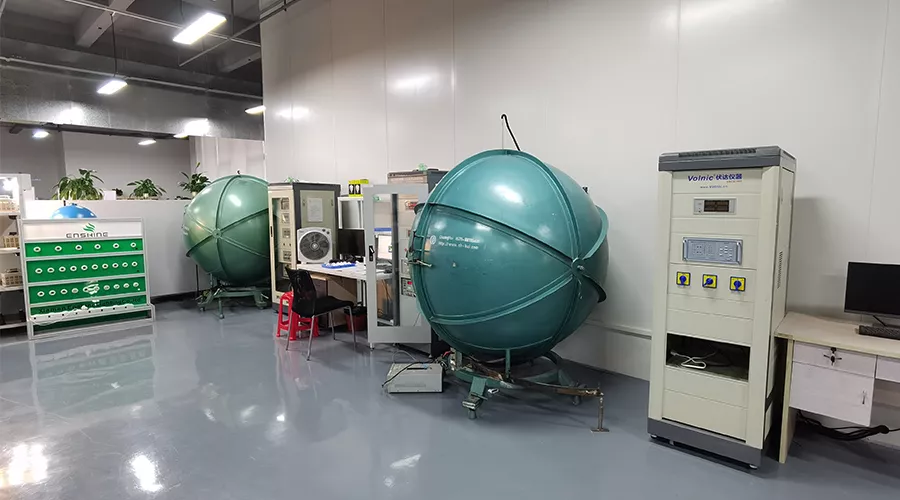
Manufacturers with their own production facilities can better control material selection and quality consistency.
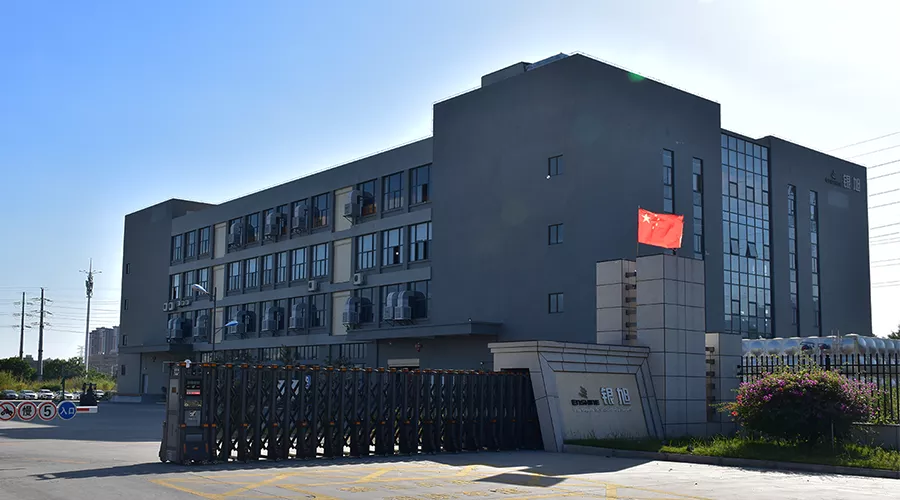
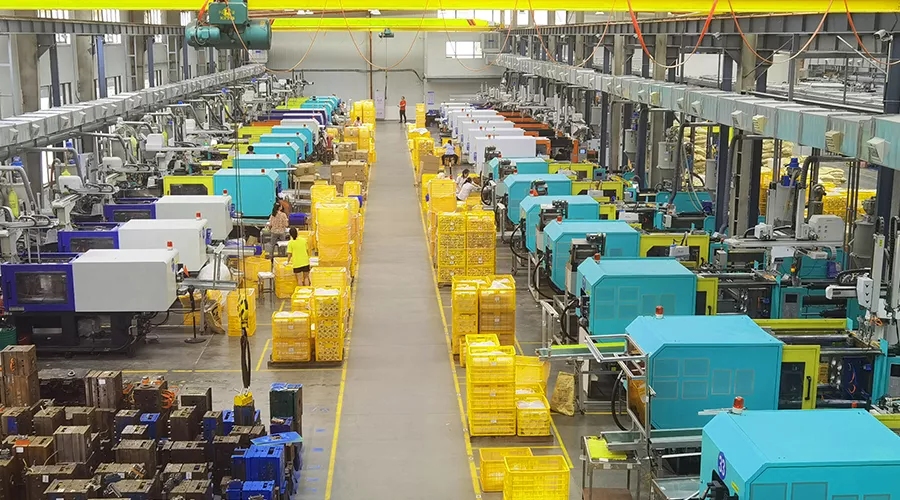
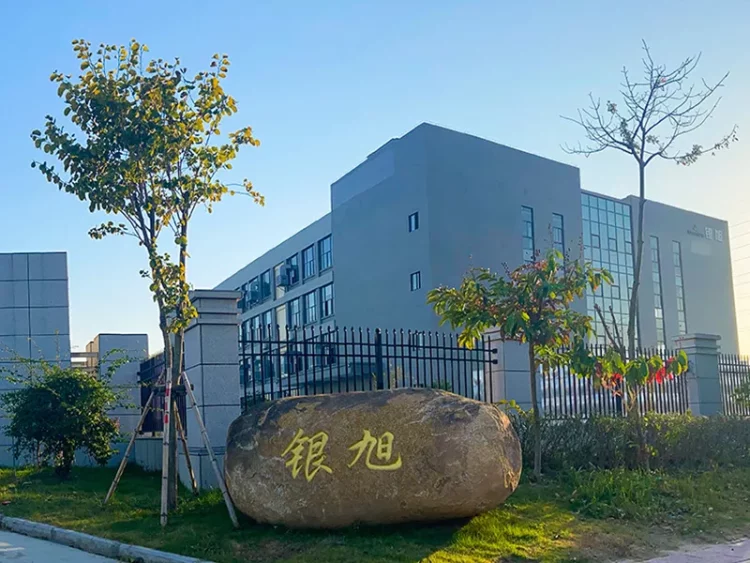
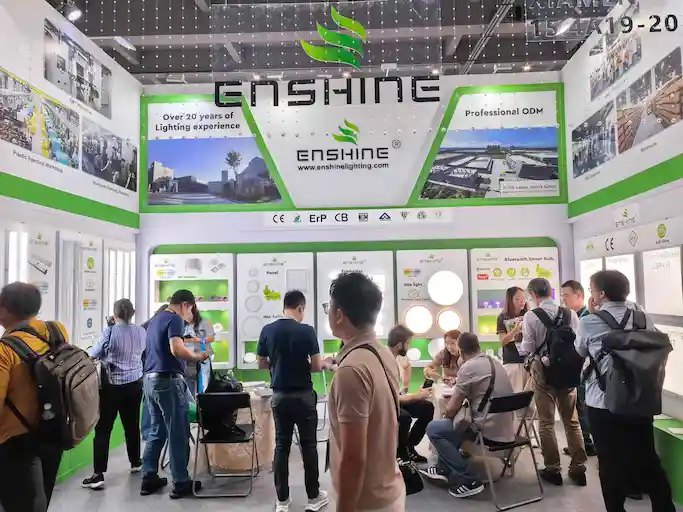
At ENSHINE, we operate our own plastic injection workshop and metal stamping workshop, allowing us to maintain stricter control over key components used in LED bulb production.
This integrated manufacturing approach helps ensure stable product quality and reliable supply for customers worldwide.
Experience Matters
Lighting manufacturing is an industry where experience plays a significant role.
ENSHINE began producing lighting products during the CFL era and later transitioned into LED lighting manufacturing. With nearly two decades of industry experience, we understand the importance of material selection, thermal management and quality control throughout the production process.
Conclusion
While brightness and efficiency are important, the materials used inside an LED bulb are equally critical.
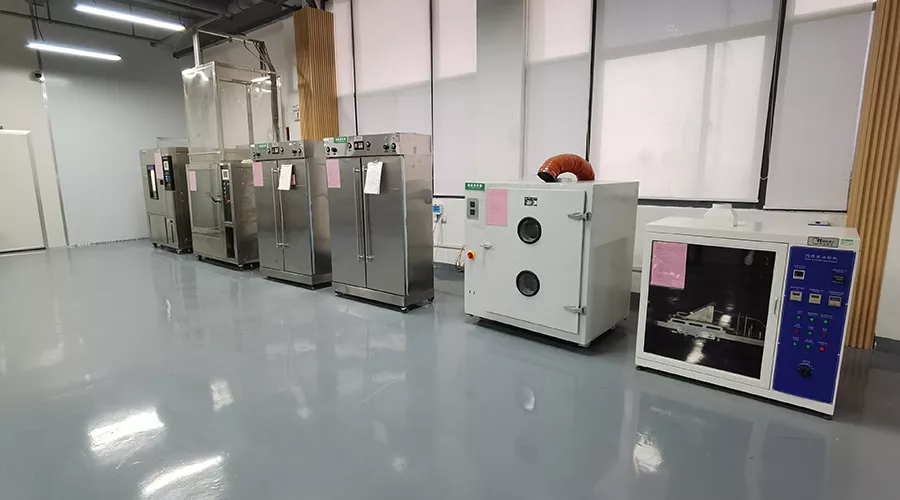
Flame-retardant materials help improve safety, durability and long-term reliability, making them an important consideration when choosing a LED bulb supplier.
For distributors and lighting brands looking for dependable products, working with an experienced manufacturer that controls its production process can make a significant difference.
Related Products