
When customers ask us about LED batten lights, the first question is often about price. But after working with overseas distributors, wholesalers, lighting brands, and project customers for many years, we have found that price is rarely the only thing that determines whether a product is successful in the market.
The more important question is whether the LED batten light is suitable for the customer’s market, easy to sell and install, and stable enough to reorder months or even years later.
From our experience as an LED lighting manufacturer, buyers are increasingly looking for products that offer more flexibility without making their product range unnecessarily complicated. Here are some of the things we think are worth considering when planning an LED batten light range for 2026.
Start With the Market, Not the Product
Before choosing a product, it is worth understanding where it will be sold.
A distributor supplying offices and commercial buildings may need a different LED batten light from a wholesaler selling mainly to small contractors. A project customer may care more about lighting performance and documentation, while a distributor may be more concerned about stock management and how many SKUs need to be kept in the warehouse.
This is why we normally recommend that buyers define the application first.
For example, a standard batten may be enough for a general commercial project. A warehouse may benefit from a sensor version, while an office renovation may require dimming or a specific color temperature. Emergency versions may be needed for projects where emergency lighting is part of the specification.
Trying to make one product fit every application can sometimes make the product more expensive and more complicated than necessary.
CCT Selectable Is Becoming a Practical Choice
One product option we see growing in interest is CCT selectable LED batten lights.
Traditionally, buyers might need to order separate products for 3000K, 4000K, and 6500K. This means more SKUs, more inventory, and a higher risk of keeping the wrong product in stock.
With a CCT selectable design, the color temperature can be selected according to the application. For distributors, this can make inventory management easier. For installers, it also provides more flexibility when the final lighting requirement is confirmed on site.
However, CCT selectable is not simply a matter of adding a switch to a product. The LED performance, driver, internal wiring, and production process all need to be properly controlled.
For this reason, buyers should check whether the supplier has experience producing selectable products consistently in volume. The sample may look good, but what matters is whether the same performance can be maintained across repeat orders.
Power Selectable Can Reduce SKU Pressure
The same principle applies to wattage.
A distributor may need 20W for one application, 30W for another, and 40W for a larger space. Stocking three separate models can increase inventory pressure.
Power-selectable LED batten lights can offer a practical alternative by allowing different power levels within the same product platform.
This is particularly useful for distributors serving different customer groups. Instead of building a large product range around every wattage, they can offer a more flexible solution with fewer core SKUs.
From a manufacturing perspective, however, power selection requires careful driver configuration and testing. Buyers should confirm that the different power settings deliver consistent performance and that the product has been tested in the actual configuration being supplied.
Installation Details Can Make a Bigger Difference Than Expected
In real projects, installation time matters.
When hundreds of LED batten lights are installed in offices, schools, shops, warehouses, or other commercial buildings, a small difference in installation time can add up quickly.
This is why practical details such as mounting brackets, cable entry, terminal design, and access to electrical connections deserve more attention during product selection.
Slim housing can also be useful in retrofit projects where ceiling space is limited.
When we develop or recommend a batten light, we look at the product from both the user’s side and the installer’s side. A fixture may have good specifications on paper, but if it is difficult to mount or connect, contractors may not consider it a good product.
For buyers, it is worth asking suppliers to demonstrate the complete installation process rather than evaluating the product only from photographs or datasheets.
Sensors Are Useful When They Solve a Real Problem
Sensors are another feature that needs to be selected according to the application.
For example, a sensor-equipped LED batten light can make sense in corridors, stairways, storage areas, and warehouses where lights are not required to operate at full output all the time.
In these applications, the sensor is not just an additional selling point. It can provide a practical way to reduce unnecessary energy consumption.
However, not every project needs a sensor. Adding functions that the end customer does not use only increases product cost and may create additional installation or commissioning requirements.
This is why we normally suggest that buyers look at the actual application before deciding which functions to include.
Emergency Lighting Requires Careful Supplier Selection
Emergency LED batten lights are another area where product quality and supplier experience are particularly important.
An emergency version may look almost identical to a standard batten from the outside, but the internal components and testing requirements are different.
Battery quality, charging performance, emergency duration, and testing functions all need to be considered. Buyers also need to confirm which standards and certification requirements apply to their target market.
For OEM and ODM customers, we recommend checking whether the supplier can control the emergency module and battery quality during production, rather than simply purchasing a finished emergency kit and assembling it into the fixture.
This can make a difference to long-term reliability and consistency between production batches.
Don’t Compare Suppliers by Price Alone
We understand why price is important. For distributors and wholesalers, even a small difference in unit cost can affect competitiveness.
However, the lowest quotation does not always result in the lowest total cost.
If a supplier changes components between orders, if the actual lumen output is different from the original sample, or if the product has a high return rate, the initial price advantage can disappear quickly.
When evaluating an LED batten light supplier, buyers should also consider:
- Product development capability
- Quality control procedures
- Aging testing
- Production consistency
- Component management
- Certification and technical documentation
- OEM and ODM experience
- Communication and after-sales support
A manufacturer with stronger control over its production process can often provide better consistency when a product is reordered over a long period.
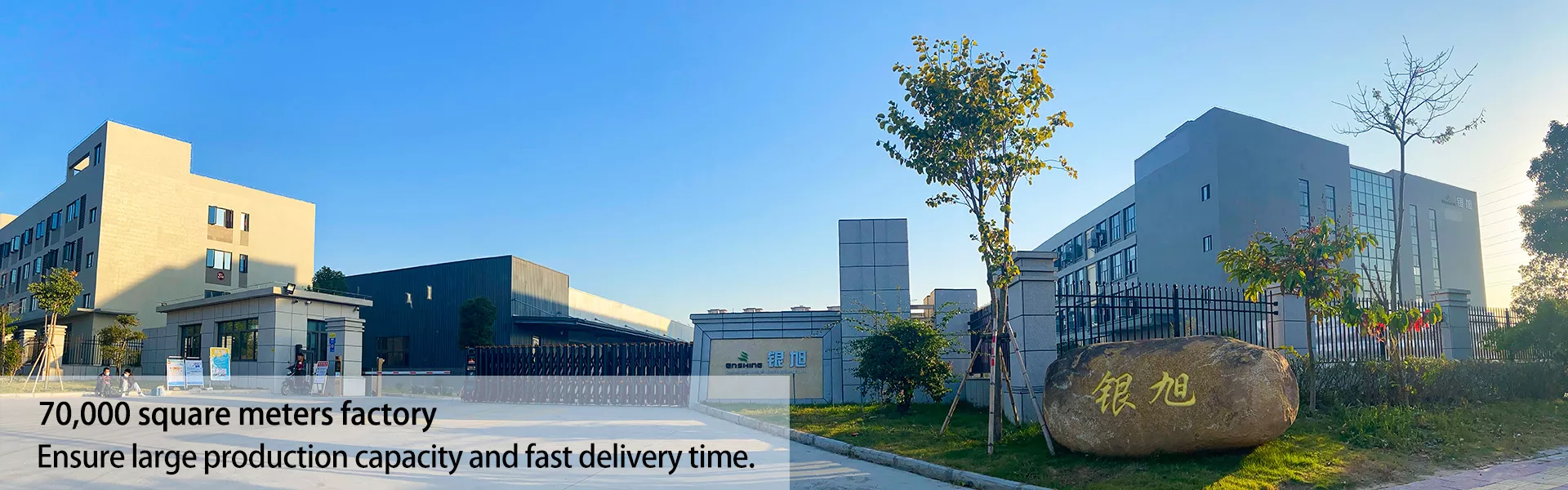
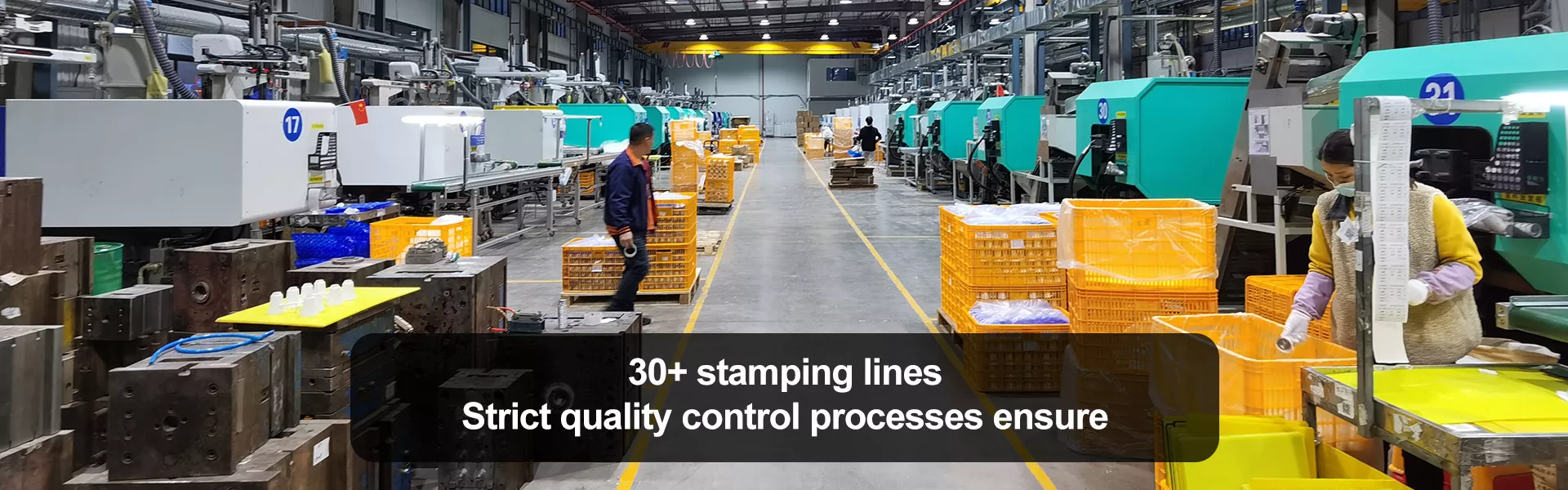
For example, manufacturing capabilities such as plastic injection, aluminum processing, product assembly, and in-house testing can give a supplier greater control over product quality and customization.
What We Would Ask Before Placing an Order
If we were sourcing LED batten lights for a new market, we would ask the supplier a few practical questions before making a decision.
First, can the supplier provide complete test reports for the exact configuration being ordered?
Second, can the product be customized for the target market without changing the quality of the main product?
Third, can the supplier maintain the same specifications when the product is reordered six months or one year later?
Fourth, are options such as CCT selection, power selection, sensors, dimming, or emergency functions already supported by the product platform?
Finally, does the manufacturer have enough production and quality control capability to support the product after the first order?
These questions may not appear on a product datasheet, but they can have a significant impact on a distributor’s business.
The Right LED Batten Light Is the One That Fits the Business
From our experience, there is no single LED batten light that is perfect for every market.
Some customers need a simple and competitive product. Others need CCT selectable or power selectable functions to reduce SKU pressure. Some projects require sensors, dimming, or emergency lighting.
The best product is usually the one that matches the application without adding unnecessary cost or complexity.
For B2B buyers planning their 2026 LED lighting range, we recommend looking beyond the sample and the initial quotation. Consider how the product will be installed, stocked, reordered, customized, and supported over time.
A reliable LED batten light supplier should not only provide a competitive product. The supplier should also be able to maintain consistent quality and help buyers develop the right product configuration for their market.
For us, that is the real difference between selling an LED batten light and building a long-term B2B lighting partnership.